Essential Safety Topics
Comprehensive safety education covering all critical areas of child protection. Click on any topic to explore in-depth guides, strategies, and resources.

Stranger Danger
Awareness
Learn how to recognize and respond to potentially dangerous situations with strangers. Understand the difference between safe and unsafe interactions.

Online
Safety
Navigate the digital world safely. Learn about privacy, cyberbullying prevention, and responsible internet use for children.

Emergency
Preparedness
Master essential emergency response skills including first aid basics, fire safety, and natural disaster preparedness.
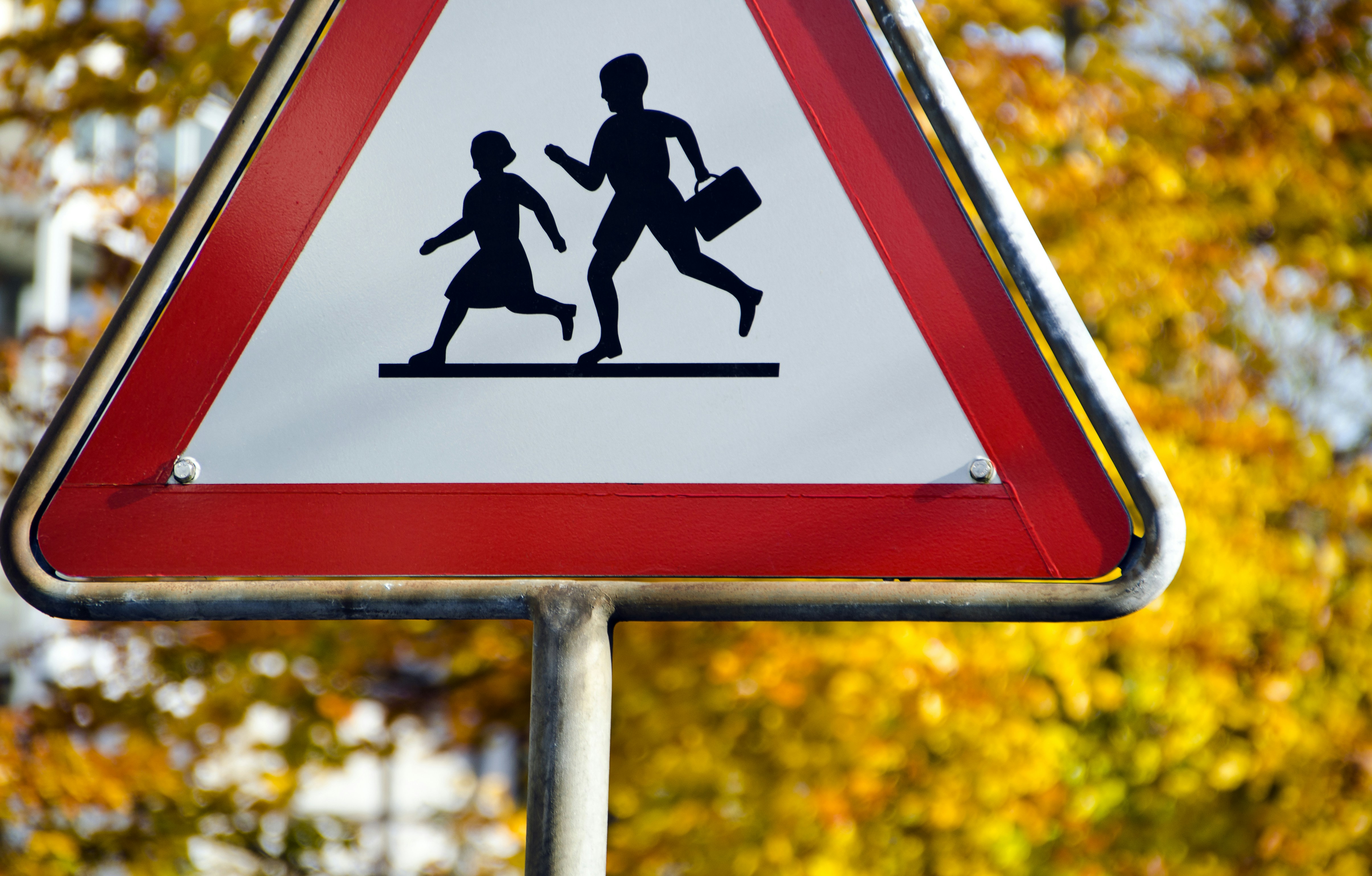
Road
Safety
Understand traffic rules, pedestrian safety, and how to stay safe when walking, cycling, or traveling in vehicles.

Personal
Boundaries
Learn about body autonomy, consent, and how to establish and communicate personal boundaries effectively.

Home
Safety
Stay safe at home with knowledge about household hazards, kitchen safety, and what to do when home alone.
Interactive Safety Learning
Our platform offers age-appropriate content designed to engage children while teaching critical safety concepts. Through stories, games, and interactive scenarios, children learn to make safe decisions in real-world situations.
Educational Stories
Age-appropriate narratives that teach safety lessons through relatable characters and situations.
Interactive Games
Engaging activities that reinforce safety knowledge through play and exploration.
Family Resources
Comprehensive guides and tools for parents to support their children's safety education.
Quick Safety Tips
The Buddy System
Always stay with a trusted friend or adult when in public places. There's safety in numbers, and having a buddy means someone is always looking out for you.
Trust Your Instincts
If something feels wrong or makes you uncomfortable, trust that feeling. It's okay to say no, walk away, or find a trusted adult immediately.
Know Your Emergency Contacts
Memorize important phone numbers including parents, guardians, and emergency services. Practice dialing these numbers regularly.
Create a Safety Plan
Work with your family to create safety plans for different scenarios: what to do if lost, if there's a fire, or if someone makes you feel uncomfortable.
Why Safety Education Matters
Building Confidence
Children who receive comprehensive safety education develop greater confidence in their ability to handle challenging situations. This confidence extends beyond safety scenarios, positively impacting their overall self-esteem and decision-making abilities.
When children understand safety principles, they feel empowered rather than fearful. They learn that they have the right to protect themselves and the knowledge to do so effectively.
Prevention Through Knowledge
Research consistently shows that children who receive age-appropriate safety education are better equipped to recognize potentially dangerous situations and respond appropriately. Early education creates a foundation of safety awareness that lasts a lifetime.
By teaching children to identify red flags, trust their instincts, and seek help when needed, we create a proactive safety culture rather than a reactive one.
The Impact of Early Safety Education
Studies indicate that children who receive structured safety education from an early age demonstrate significantly better safety awareness, risk assessment skills, and emergency response capabilities. This education doesn't create fear—it builds competence and resilience.
Safety education is not about teaching children to be afraid of the world, but rather empowering them with the knowledge and skills to navigate it confidently and safely. When children understand safety principles, they can enjoy their childhood with greater freedom and less anxiety.
Age-Appropriate Safety Education
Safety education must be tailored to a child's developmental stage. What works for a preschooler differs significantly from what resonates with a preteen. Our content is carefully designed to match each age group's cognitive abilities and life experiences.
Preschool Years (Ages 3-5)
At this age, children are developing basic understanding of safety concepts. Focus on simple, concrete rules and positive reinforcement.
Key Focus Areas:
- • Learning to identify trusted adults
- • Understanding "stranger" concept
- • Basic body safety (private parts)
- • Staying close to caregivers
- • Recognizing safe vs. unsafe situations
Teaching Methods:
- • Simple songs and rhymes
- • Picture books and stories
- • Role-playing with puppets
- • Repetition and reinforcement
- • Positive, non-frightening approach
Early Elementary (Ages 6-8)
Children at this stage can understand more complex concepts and begin to apply safety rules independently. They're also starting to use technology and spend more time away from direct supervision.
Key Focus Areas:
- • Online safety basics
- • Emergency contact information
- • Road and traffic safety
- • Fire safety and escape plans
- • Assertiveness and saying "no"
Teaching Methods:
- • Interactive games and activities
- • Scenario-based learning
- • Practice drills (fire, stranger)
- • Discussion and Q&A sessions
- • Visual aids and demonstrations
Preteen Years (Ages 9-12)
Preteens are developing independence and critical thinking skills. They need more sophisticated safety education that addresses peer pressure, online interactions, and increasingly complex social situations.
Key Focus Areas:
- • Advanced online safety and privacy
- • Cyberbullying prevention
- • Peer pressure resistance
- • First aid basics
- • Home alone safety protocols
Teaching Methods:
- • Case studies and real examples
- • Group discussions and debates
- • Problem-solving exercises
- • Technology-based learning tools
- • Peer-to-peer learning activities
Comprehensive Safety Guides
Stranger Danger: Beyond the Basics
Modern safety education recognizes that not all strangers are dangerous, and not all dangerous people are strangers. We teach children to recognize concerning behaviors rather than simply avoiding all unfamiliar people.
Recognizing Safe Adults
Children should know how to identify safe adults: police officers, teachers, store employees, and other uniformed or clearly identifiable authority figures. They should also understand that if lost, they can approach families with children or go to a public place for help.
Red Flag Behaviors
Teach children to recognize concerning behaviors: adults asking children for help, offering gifts or treats, asking children to keep secrets, or trying to get children alone. These behaviors should trigger immediate caution and seeking help.
Response Strategies
Children should know to: maintain a safe distance (at least an arm's length), say "no" loudly and clearly, run to a safe place, and tell a trusted adult immediately. Practice these responses regularly so they become automatic.
Digital Safety: Protecting Young Minds
In today's digital age, online safety is as critical as physical safety. Children need comprehensive education about navigating the digital world safely and responsibly.
Personal Information Protection
Children must understand that personal information—full name, address, school name, phone number, photos—should never be shared online without parental permission. Teach them to treat online information sharing like sharing with strangers in person.
Recognizing Online Threats
Educate children about phishing attempts, suspicious links, inappropriate content, and online predators. Teach them to recognize when something feels wrong online, just as they would in person, and to immediately tell a trusted adult.
Cyberbullying Prevention
Help children understand what cyberbullying is, how to recognize it, and what to do if they experience or witness it. Emphasize the importance of not participating in online bullying and always reporting incidents to adults.
Emergency Preparedness: Staying Calm Under Pressure
When emergencies occur, children who are prepared respond more effectively. Emergency preparedness education builds confidence and reduces panic in crisis situations.
Fire Safety Protocols
Children should know: stop, drop, and roll if clothing catches fire; crawl low under smoke; never hide during a fire; identify two escape routes from every room; and have a designated meeting place outside the home.
Emergency Contact Information
Children should memorize or have easy access to: parent/guardian phone numbers, emergency services (911 or local equivalent), trusted neighbor or family member contacts, and their own address. Practice dialing emergency numbers regularly.
Natural Disaster Preparedness
Depending on geographic location, teach children about earthquakes, tornadoes, hurricanes, or other relevant natural disasters. Include: recognizing warning signs, safe locations in the home, and what to do during and after the event.
Personal Boundaries: Empowerment Through Understanding
Teaching children about personal boundaries is fundamental to their safety and well-being. This education helps them understand their rights and develop healthy relationships throughout their lives.
Body Autonomy
Children should understand that their body belongs to them. No one has the right to touch them in ways that make them uncomfortable, and they have the right to say "no" to any touch, even from family members or friends, if it feels wrong.
Understanding Consent
Teach children that consent means permission, and it can be withdrawn at any time. Help them understand the difference between appropriate and inappropriate touch, and that secrets about touching are never okay.
Speaking Up
Children need to know that it's always okay to tell a trusted adult if someone makes them uncomfortable, even if that person told them to keep it a secret. Emphasize that they will never be in trouble for telling the truth about uncomfortable situations.
Resources for Parents and Educators
Safety education is most effective when it's a collaborative effort between children, parents, and educators. We provide comprehensive resources to support adults in facilitating important safety conversations.
Conversation Guides
Age-appropriate conversation starters and discussion guides to help you talk about safety topics in ways that children understand and remember.
Safety Checklists
Comprehensive checklists for home safety, online safety, and emergency preparedness to help you assess and improve your family's safety measures.
Activity Ideas
Hands-on activities, games, and exercises that make safety education engaging and memorable for children of all ages.
Creating a Safety-Conscious Home Environment
Safety education extends beyond formal lessons. Create an environment where safety conversations are natural and ongoing. Regularly discuss safety topics, practice emergency procedures together, and model safe behaviors. When children see adults prioritizing safety, they learn to do the same.
Remember: the goal is not to create fearful children, but confident children who understand how to protect themselves and make safe choices. Balance safety education with opportunities for age-appropriate independence and exploration.